Think Like a Fashion Editor: The Art of Shopping with Intention
Photo: Internet Archive Book Images, No restrictions, via Wikimedia Commons
There's a reason fashion editors always look so put-together. It's not that they have unlimited budgets or access to every trend before it hits the racks. It's that they think about clothing differently than most of us do. They don't accumulate — they select. They don't browse aimlessly — they edit.
And here's the thing: that same editorial mindset is completely available to you, whether you're shopping a weekend sale or building out a new-season wardrobe from scratch.
At Lucia, we believe style isn't about how much you own. It's about how intentionally you choose. So let's break down what it actually means to shop like an editor — and how doing so changes everything.
What Does It Even Mean to "Edit" Your Shopping?
Think about what a magazine editor actually does. They don't print every photo from a shoot. They don't include every story pitch that lands in their inbox. They make choices — deliberate, sometimes ruthless choices — based on a central vision. What does this issue want to say? What feeling should it leave the reader with?
Your wardrobe works the same way. Every piece you bring home is, in a sense, a submission. The question is whether it earns its place in the final publication.
Editing your shopping means asking a different set of questions before you buy. Not just do I like this? but does this belong here? Not just is this on sale? but does this serve my story?
It's a subtle mental shift, but it's a powerful one.
Start with Your Narrative
Every great editor works from a clear editorial direction. Before you can shop intentionally, you need to know what your wardrobe is trying to say.
This doesn't have to be complicated. You're not writing a thesis. Just ask yourself a few honest questions:
- What do I actually do most days, and does my closet reflect that reality?
- What's the mood or feeling I want to carry when I walk out the door?
- Are there gaps in my wardrobe, or am I mostly filling space with variations of things I already have?
Your answers become your editorial brief. They give you something to shop toward rather than just shopping at whatever catches your eye.
For example, if your life is a mix of remote work, weekend errands, and the occasional dinner out, your narrative might center around elevated ease — pieces that feel relaxed but look considered. Once you know that, it becomes a lot easier to pass on the sequined top that doesn't fit the story, no matter how good the deal is.
The Constraint Principle: Why Fewer Rules Means More Freedom
Here's a counterintuitive truth that editors know well: constraint sparks creativity. When you narrow your focus, you actually open up more possibilities within that frame.
Apply this to shopping by giving yourself a few non-negotiables — a small set of parameters that every new piece has to meet before it comes home with you. These aren't rigid rules; they're editorial standards.
Yours might look something like:
- It has to work with at least three things I already own. If you can't immediately picture two or three combinations, it's not earning its place.
- It has to fit my actual life, not my aspirational one. We've all bought the blazer for the networking events we never actually attend. Be honest.
- It has to add something new to the mix. A fifth white tee is not a new chapter. It's a rerun.
These constraints don't limit your style — they protect it. They keep your wardrobe from becoming a cluttered anthology of impulse decisions and redirect your attention toward pieces that genuinely move the needle.
Practice the Pause
One of the most underrated editorial tools is the pause. Before a piece goes to print, editors sit with it. They revisit it. They ask whether it still holds up after a little distance.
You can do the same thing in a fitting room or at checkout.
Before you commit, take a breath and ask: If I came back tomorrow, would I still want this? If the answer is a confident yes, great. If it's a hesitant "maybe" or a dopamine-fueled "I just want it right now," that's your cue to wait.
This isn't about being restrictive. It's about being deliberate. The pieces you love most in your wardrobe are almost always the ones you chose thoughtfully, not the ones you grabbed in a hurry.
Cohesion Over Collection
A wardrobe built by an editor has a through-line. The pieces talk to each other. There's a visual and emotional logic to how they fit together, even when they span different occasions or aesthetics.
A wardrobe built by a collector, on the other hand, tends to feel like a sample sale aftermath — lots of interesting things that don't quite add up to a complete picture.
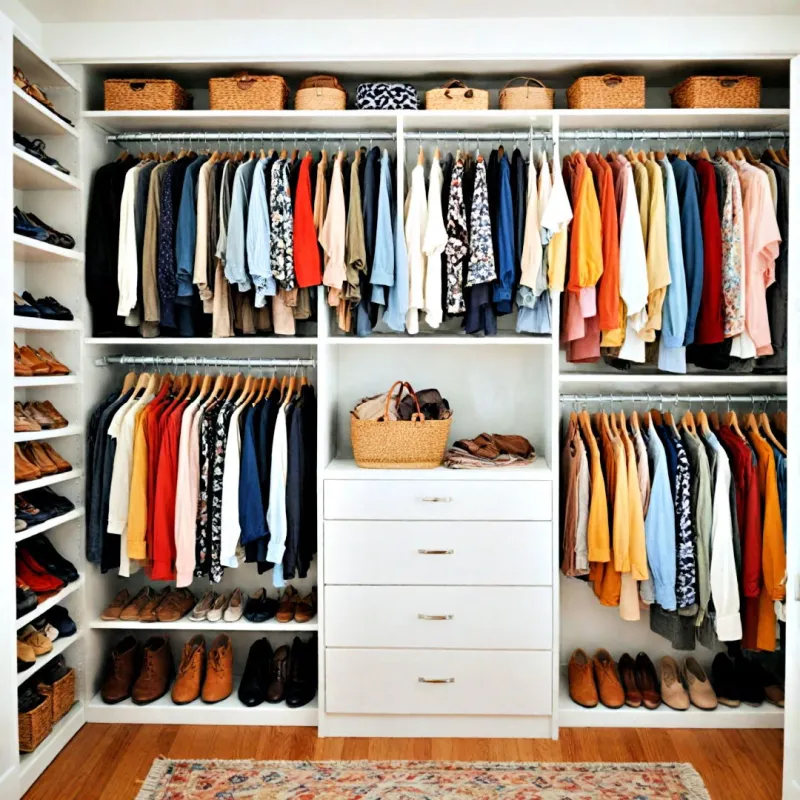
Building cohesion doesn't mean everything has to match or that you're locked into one aesthetic forever. It means that when you look at your closet as a whole, it reflects you — your actual life, your genuine taste, your real needs — rather than a scattered record of every trend you half-committed to.
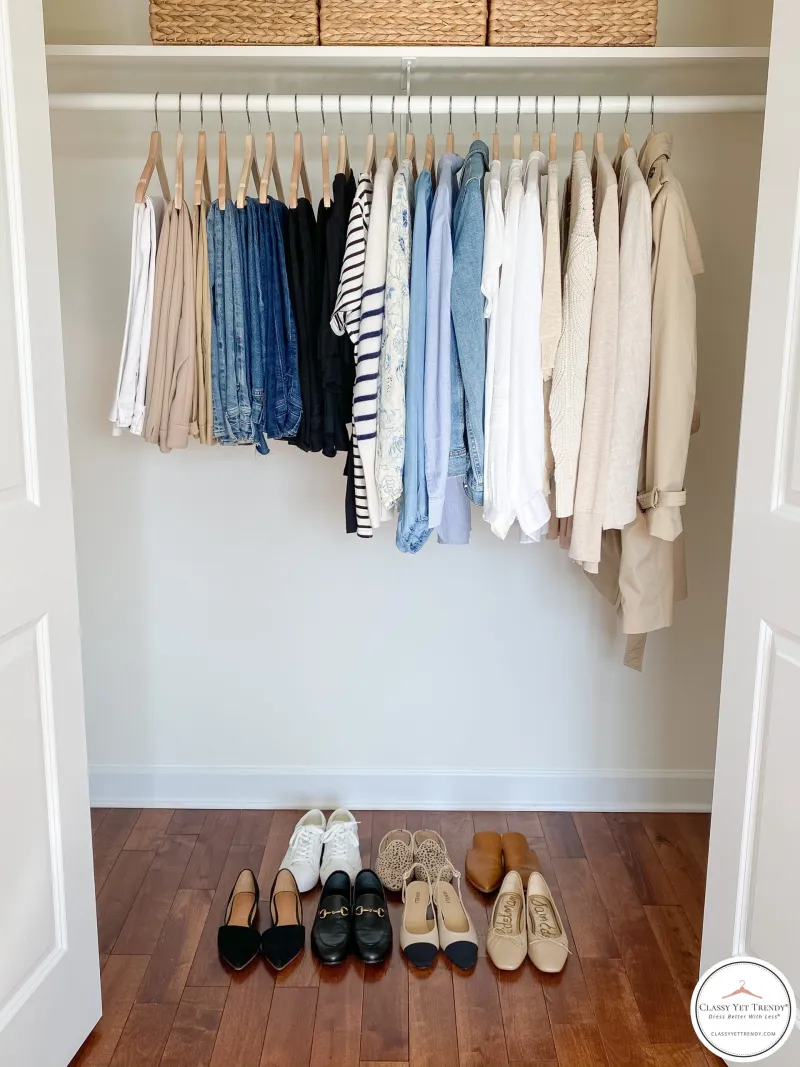
One practical way to build cohesion: before you shop, spend five minutes looking at what you already own and actually love. Notice the colors, the silhouettes, the fabrics that keep showing up. That's your palette. That's your signature. Shop toward it.
The Lucia Take
At Lucia, we're not here to tell you to buy less for the sake of buying less. We're here to help you shop better — with more clarity, more purpose, and more satisfaction in what you end up with.
When you approach your wardrobe the way an editor approaches a page, something shifts. Shopping stops feeling like a habit and starts feeling like a practice. You stop filling space and start making choices. And the things you do bring home? They earn their spot. They carry their weight. They become part of a story that actually sounds like you.
That's the editorial mindset. And honestly? It looks really good on everyone.