Dress Like You Mean It: The Framework for Finding Your True Style Identity

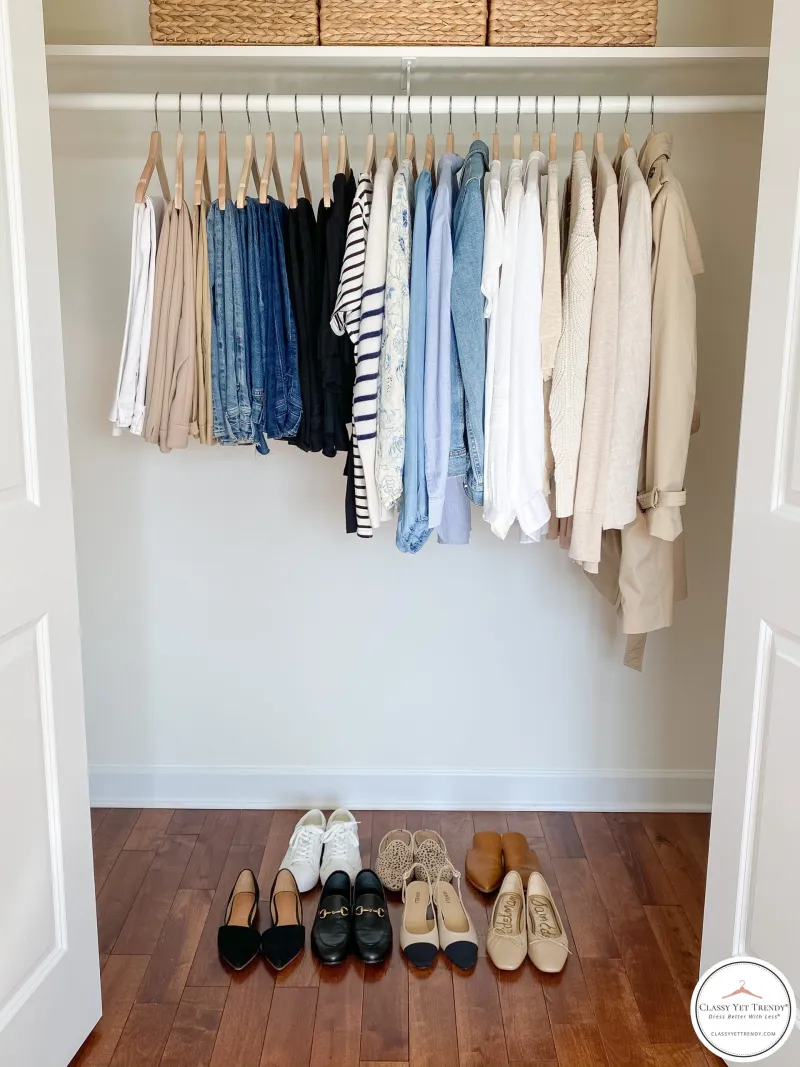
Photo: woman confidently choosing outfit from minimal organized wardrobe, via thumbs.dreamstime.com
Let's be honest for a second. Most of us have stood in front of a closet packed with clothes and still felt like we had nothing to wear. Sound familiar? That's not a quantity problem. That's a clarity problem.
The truth is, your best outfit — the one that makes you walk a little taller, feel a little sharper, and move through your day with actual confidence — isn't hiding somewhere in a new collection or buried in a weekend sale. It already exists inside the intersection of who you are, how you live, and what you care about. The only thing standing between you and that outfit is self-knowledge.
At Lucia, we've always believed that style should feel like you, not like a costume you borrowed from someone else's Instagram feed. So we put together a real framework for figuring out your personal style DNA — and using it as the filter through which every single purchase decision should pass.
Start With Your Body, Not a Trend
This isn't about dressing for your "body type" in the old, prescriptive way. We're done with rules that tell you to hide this or minimize that. Instead, think about your body as a starting point for comfort and confidence — two things that look genuinely good on everyone.
Ask yourself: What silhouettes make me feel at ease? Do I love the feeling of something structured, or do I reach for softness every single time? Am I someone who moves a lot throughout the day, or do I mostly sit at a desk? Your body's needs — not just its shape, but its habits and rhythms — should inform every piece you bring home.
When you buy something that fights your body rather than works with it, it ends up on the floor of your closet by week two. You already know this. So let your physical reality be a feature, not a footnote.
Map Your Actual Life (Not Your Fantasy One)
Here's where most of us go wrong. We shop for the life we wish we had — the dinner parties, the weekend getaways, the effortlessly chic coffee runs — instead of the life we actually live Monday through Sunday.
Take a week and pay attention. Where do you actually go? What do you actually do? If you work from home four days a week, your wardrobe should reflect that reality with pieces that are comfortable and put-together without being performative. If you're a teacher, a nurse, a mom who spends half her day on her feet, your clothes need to hold up to that — literally.
This doesn't mean your wardrobe has to be boring. It means it has to be honest. A stunning silk blouse that you're terrified to wrinkle isn't serving your life. A great pair of dark-wash jeans that you can wear to a meeting and then to pick up the kids? That's a workhorse. That's style with staying power.
Get Clear on Your Values
Your values shape your style whether you realize it or not. Some people care deeply about sustainability and feel genuinely uncomfortable buying from brands that don't share that ethos. Others prioritize supporting American-made goods, or small businesses, or craftsmanship that lasts longer than a single season.
Whatever your values are, let them be part of the equation. When a purchase aligns with what you actually believe in, you wear it differently. There's a kind of ease that comes from knowing a piece was made well, sourced thoughtfully, or chosen with real intention.
If you haven't thought much about this before, now is a good time to start. Ask yourself: What do I want my spending to say about me? What do I want to support with my dollars? Style isn't just aesthetic — it's a form of communication, and your values are part of the message.
Define Your Non-Negotiables
Every person has them, even if they've never put them into words. Non-negotiables are the things you simply won't compromise on — the features, feelings, or functions that a piece must have before it earns a spot in your closet.
Maybe yours are: pockets (non-negotiable, full stop), natural fabrics only, nothing that needs dry cleaning, always a belt loop. Maybe it's a color palette you keep coming back to, or a fit that you know flatters you without question. Whatever they are, name them.
When you walk into a store or scroll through a site, your non-negotiables act as your first filter. If something doesn't clear that bar, it doesn't matter how beautiful it is, how good the sale price is, or how much a friend raves about it. You already know it won't work for you.
This is where shopping stops being reactive and starts being intentional.
The "Does This Serve My Life?" Test
Once you've mapped your body, your lifestyle, your values, and your non-negotiables, you have everything you need to run every potential purchase through one simple question: Does this actually serve my life?
Not your aspirational life. Not the version of you in a movie montage. Your actual, right-now, Monday-morning life.
If the answer is yes — if the piece fits your body comfortably, slots into your real routine, aligns with what you care about, and clears your non-negotiables — then it deserves a place in your closet. If it's a maybe, it's probably a no. And if you're only buying it because it's on sale or because you feel like you should want it, walk away.
This test isn't about being restrictive. It's about respecting yourself enough to only bring things into your life that genuinely belong there.
Style as Self-Respect
Here's the shift we want you to make: stop thinking about shopping as entertainment, stress relief, or a reaction to boredom. Start thinking about it as an act of self-respect.
Every piece you buy and wear is a small statement about how you see yourself and how you want to move through the world. When your wardrobe is built on self-knowledge rather than impulse, getting dressed stops being a source of low-grade daily stress and starts feeling like something that actually supports you.
That's the Lucia way of looking at it. Not more. Not less. Just right — for you, specifically, in the life you're actually living.
Your style identity isn't something you find in a trend report. It's something you already have. You just have to take the time to listen to it.