Dressed in Feeling: What the Colors in Your Closet Really Reveal
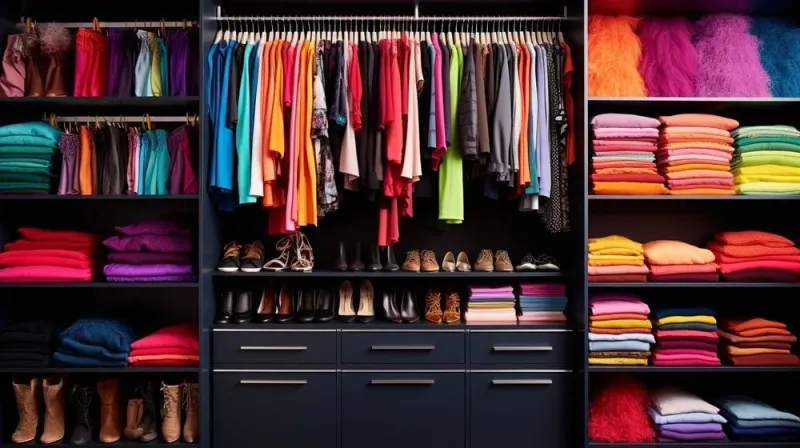
Photo: colorful organized wardrobe closet fashion flat lay, via cdn.organizewithsandy.com
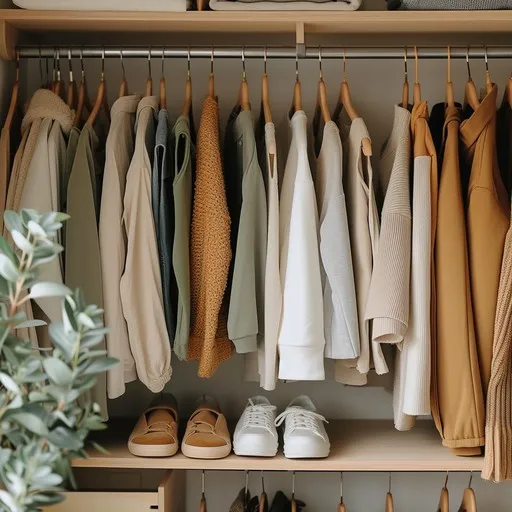
Pull open your closet right now. What do you see?
If you're like most people, there's a pattern hiding in plain sight — a cluster of navy blues, a run of warm earth tones, maybe a flash of red tucked between all those neutrals. We like to think our clothing choices are purely practical, but color psychologists and fashion researchers have long understood something most of us feel intuitively: the colors we wear are a form of self-expression that runs deeper than trend cycles or seasonal palettes.
At Lucia, we believe that building a wardrobe isn't just about filling a closet — it's about curating a collection of pieces that genuinely reflect who you are. And that starts with understanding color.
Why Color Choice Isn't as Casual as You Think
Every morning when you get dressed, your brain is making dozens of micro-decisions — and color is one of the most emotionally loaded. Studies in environmental and behavioral psychology consistently show that color influences mood, perceived confidence, and even how others respond to us in social settings.
But here's the thing: it works both ways. The colors you wear affect how others see you and how you feel about yourself. Slipping into a structured camel blazer from your Lucia collection before a big meeting isn't just a style choice — it's a signal to your own nervous system that you mean business.
That's the quiet power of intentional dressing.
Decoding the Hues: What Your Go-To Colors Are Saying
Neutrals — Black, White, Beige, Gray
If your wardrobe leans heavily neutral, you're probably someone who values versatility and longevity over flash. Neutrals signal sophistication and a certain quiet confidence — the kind that doesn't need to shout. People who gravitate toward a monochromatic neutral palette often have a strong internal sense of identity and don't rely on clothing to do the talking for them.
At Lucia, our neutral-toned essentials — think tailored linen trousers, classic white button-downs, and soft sand-colored knits — are designed for exactly this kind of shopper. They're the backbone of a wardrobe that lasts.
Earth Tones — Terracotta, Olive, Rust, Warm Brown
Earth tones have had a serious cultural moment in the US over the past few years, and it's not hard to understand why. These grounded, organic hues connect to a sense of warmth, authenticity, and rootedness. People who love earth tones tend to value comfort, connection, and a lifestyle that feels real rather than performative.
If your closet is full of rust-colored sweaters and olive utility jackets, you're probably someone who cares about how things feel just as much as how they look — and you're likely drawn to natural fabrics and relaxed silhouettes.
Blues — Navy, Cobalt, Dusty Blue, Denim
Blue is the most universally beloved color in the world, and it shows up in American closets more than almost anything else. Navy in particular carries associations with trustworthiness, calm, and quiet authority — which is probably why it's a staple in professional settings across the country.
Lighter blues, on the other hand, read as open, easygoing, and approachable. If you're someone who reaches for a chambray shirt or a faded denim jacket on your days off, you're likely communicating that you're relaxed and unpretentious.
Warm Brights — Red, Orange, Sunny Yellow
This is where things get bold. People who aren't afraid of a red dress or a bright orange tote are usually comfortable being seen. Warm brights signal energy, confidence, and a certain social ease. Color psychology research has linked red specifically to perceptions of power and passion — which is why it shows up at everything from political rallies to first dates.
If you've been eyeing one of Lucia's more vibrant statement pieces but always talk yourself into the safe option, consider this your permission slip. A pop of color in an otherwise neutral wardrobe can be genuinely transformative.
Cool Tones — Sage, Lavender, Dusty Rose, Soft Teal
Soft, muted cool tones have a calming, almost meditative quality. People who gravitate toward sage green or dusty lilac tend to be thoughtful, creative, and a little introspective. These colors don't demand attention — they invite it. There's a gentleness to a cool-toned wardrobe that feels intentional rather than accidental.
Building a Palette That Actually Feels Like You
Understanding color psychology is fun, but the real goal is using it to shop smarter. Here's a simple framework to help you build a color palette that's cohesive, authentic, and genuinely wearable:
Step 1: Audit what you already love. Before buying anything new, look at what you actually reach for. Not what you think you should wear — what you actually put on. Those are the colors that feel like home to you.
Step 2: Identify your anchor color. Every strong wardrobe has one or two anchor hues that everything else orbits around. For most people, this is a neutral — but it doesn't have to be. If navy is your anchor, build outward from there.
Step 3: Choose one or two accent colors. These are the pieces that add energy and personality to your wardrobe without creating chaos. They should complement your anchor, not compete with it.
Step 4: Be honest about your lifestyle. A color palette that works for a creative director in Brooklyn might feel completely out of place for a teacher in Phoenix. Your colors should fit your actual life — not a fantasy version of it.
The Lucia Approach: Color With Intention
At Lucia, we design and curate our collections with color cohesion in mind. Every season, our pieces are selected not just for individual impact but for how they work together — so that when you shop with us, you're building something greater than the sum of its parts.
Whether you're a committed neutral-wearer who wants to add one carefully chosen accent, or someone who's ready to fully embrace a bold, expressive palette, the goal is the same: clothing that feels unmistakably like you.
Because when your wardrobe is speaking your language, getting dressed in the morning stops feeling like a decision and starts feeling like an expression.
And that's what style that speaks is all about.